AI-generated ingredient illustration
By BELLY Editorial · Published
01
Decide what the broccoli should do
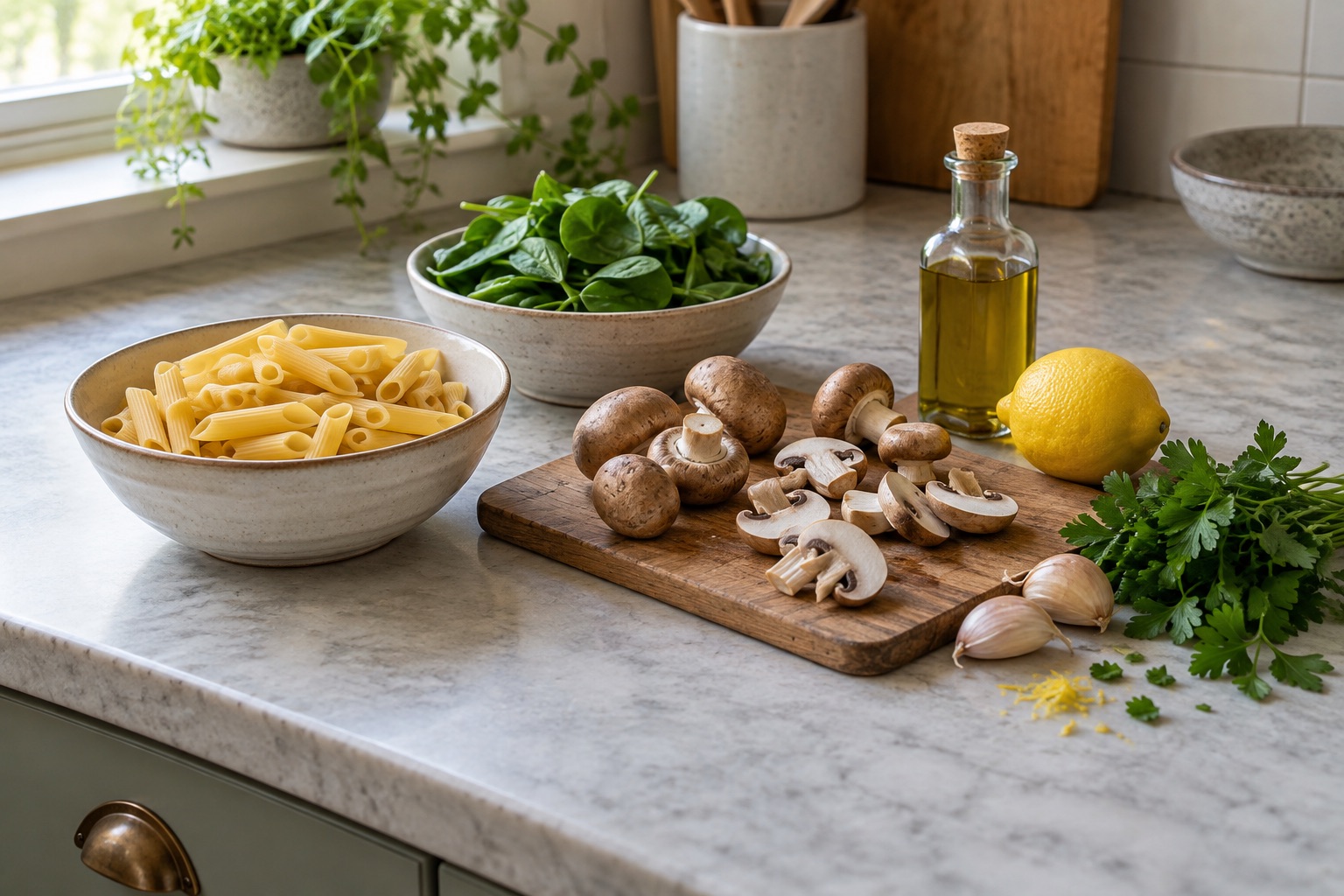
Broccoli pasta can be a bowl of distinct green florets, a roughly mashed coating or a smooth blended sauce. Choose that texture before you start chopping. Our lemon and garlic Penne keeps most of the broccoli in small pieces, with a few florets pressed into the olive-oil coating. It is a vegetable-led dinner with visible pasta and broccoli, rather than a cream-sauce imitation. If you want a completely smooth sauce, choose a recipe developed for blending instead of adding more water to this one. A clear idea of the finished bowl makes the rest of the cooking decisions simpler.
02
Give the stalk a different cut
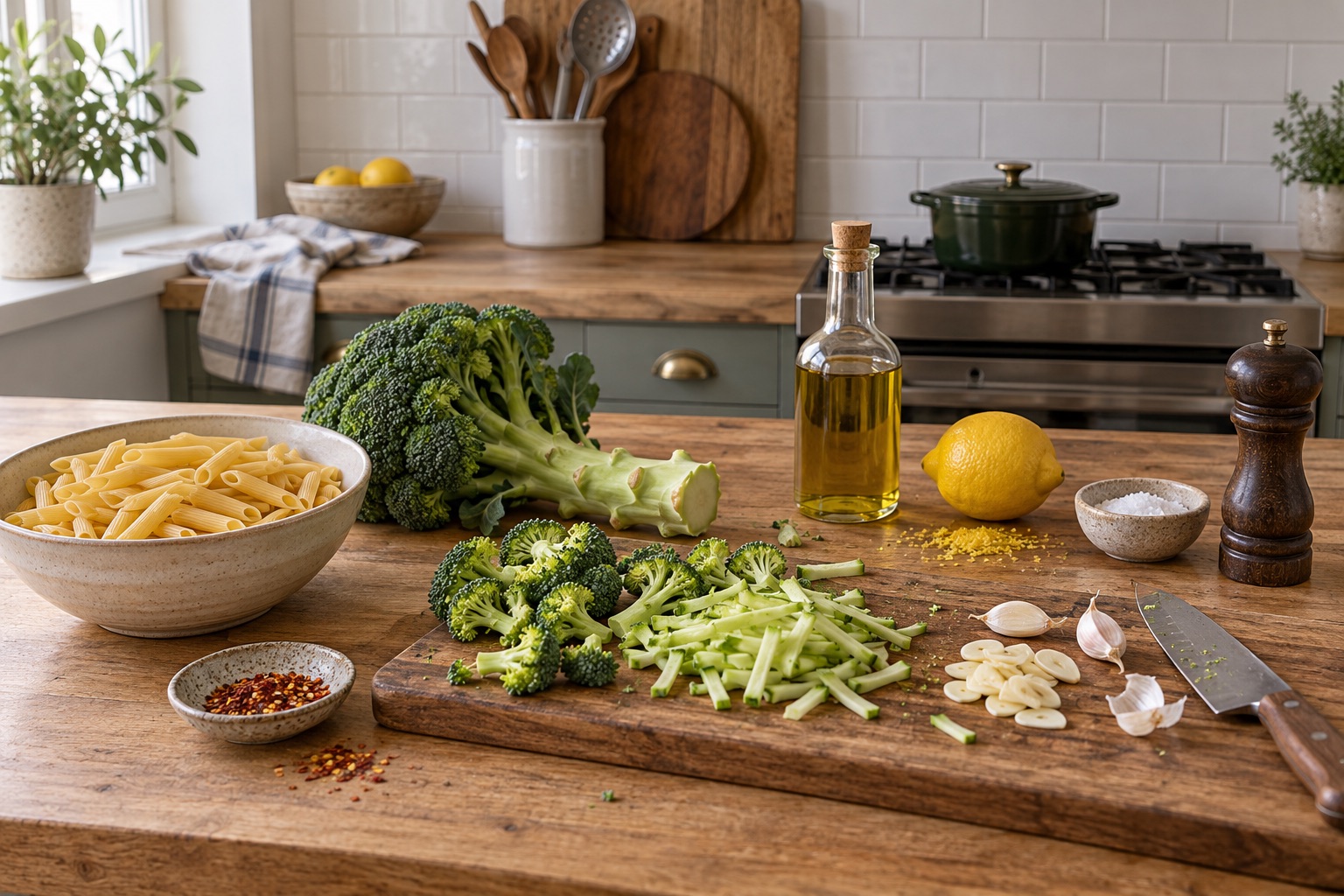
A broccoli stalk and a floret do not need the same knife work. Cut the dry end off the stalk and peel away the tough outer layer. Slice the tender centre thinly, while keeping the florets in small, similar-sized pieces. That gives the stalk a chance to soften alongside the florets. Discard woody or spoiled parts rather than treating every scrap as an obligation. Weigh the amount for the recipe after trimming, so an unusually thick stalk does not quietly change your vegetable quantity. A sharp knife and a stable board make this job more comfortable than trying to break every piece by hand.
03
Separate the timing decisions
Cooking vegetables and pasta in one pan at the same time can work, but it depends on their respective cooking times. Protein pasta shapes and brands do not all share a timer. For this recipe, cook the broccoli first, lift it out, then cook the Penne in the same water following the pack. You keep control of each texture without needing a second boiling-water pan. Check a stalk slice with a knife before removing the broccoli; it should feel tender enough to eat. If a few pieces are much larger, let those continue briefly rather than overcooking the whole batch.
04
Build flavour gently
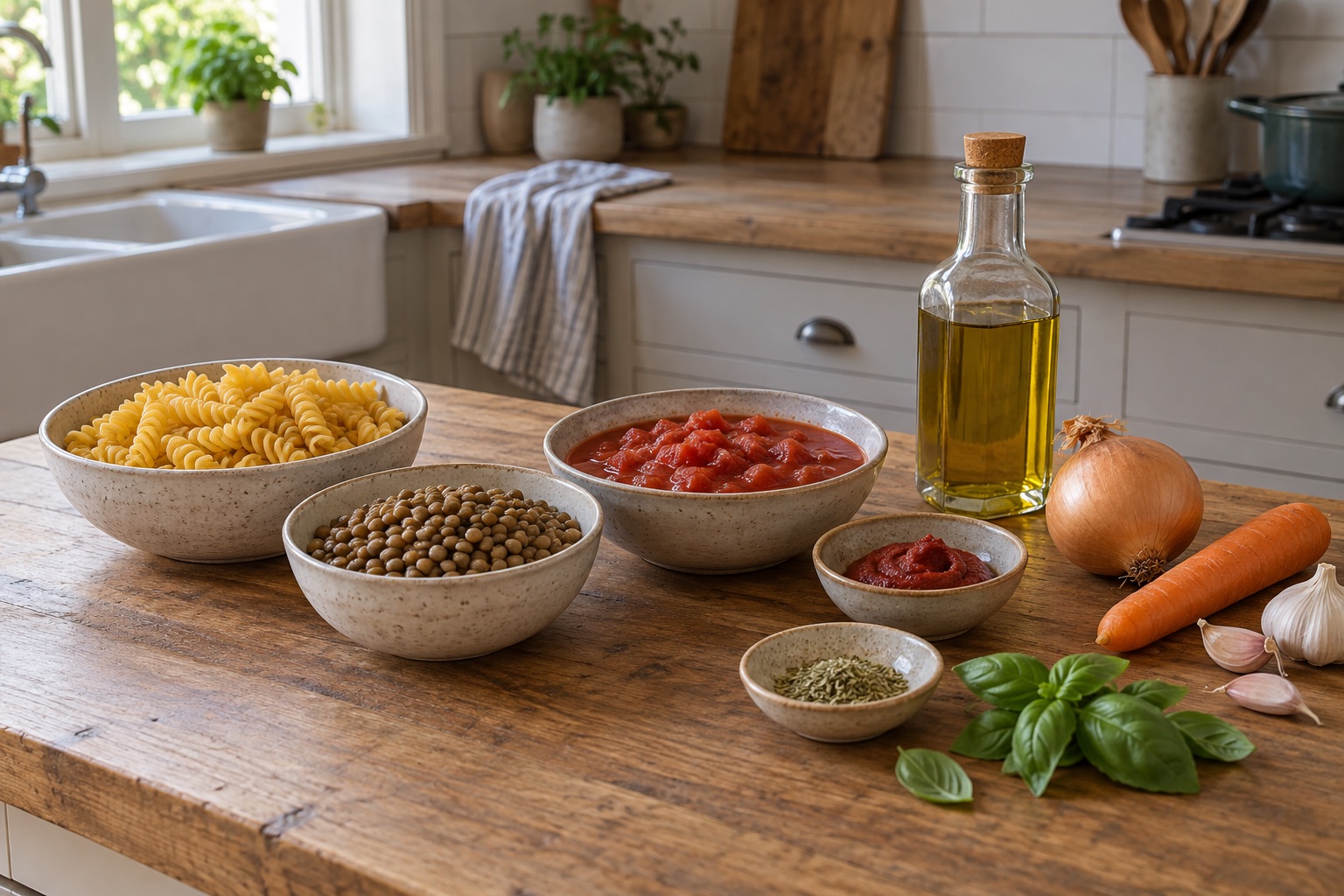
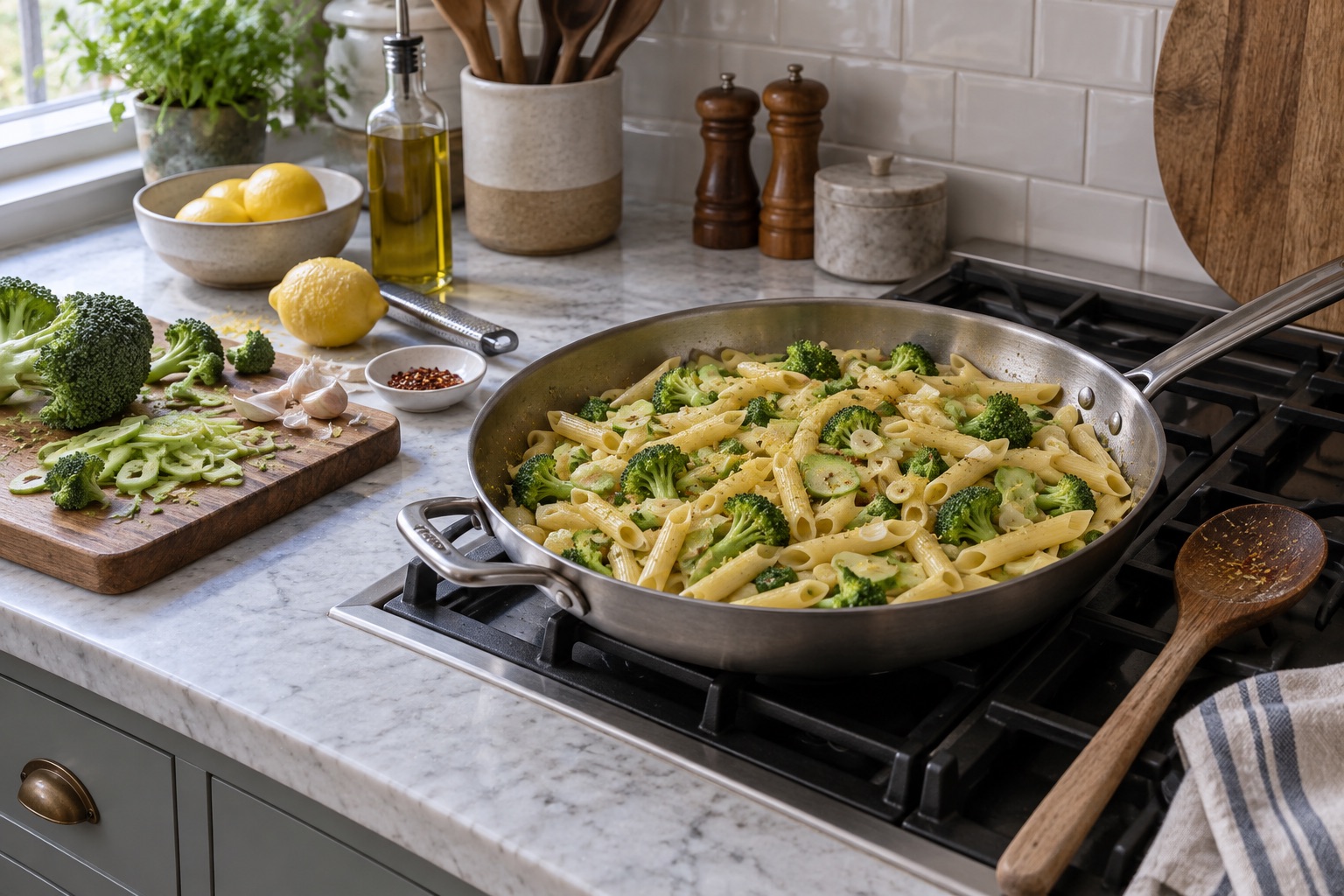
Garlic is doing a small but useful job here. Warm thin slices gently in olive oil while the pasta cooks, and keep an eye on the pan rather than leaving it unattended. You want a fragrant coating, not dark garlic pieces. Add the optional chilli only if you enjoy it, then bring the drained broccoli into the pan. Pressing a few soft florets makes little green pieces that cling to the ridges of Penne. The ingredients remain recognisable. If you prefer a rich tomato dinner instead, our lentil Fusilli recipe is a better starting point than trying to turn this light coating into something else.
05
Finish with lemon in stages
Zest the lemon before cutting it, and avoid grating deeply into the white pith. Add zest and a measured spoonful of juice after the pan comes off the heat, then taste before adding more. Lemons differ in size and sharpness, so “one lemon” is not a precise instruction for acidity. Keep a little cooking water available to loosen the pasta if needed, using small additions. The bowl should feel lightly coated rather than sit in a pool. For the broader technique, use our pasta-water guide; this broccoli article focuses on preparing the vegetable and balancing its finish.
06
Make sensible swaps
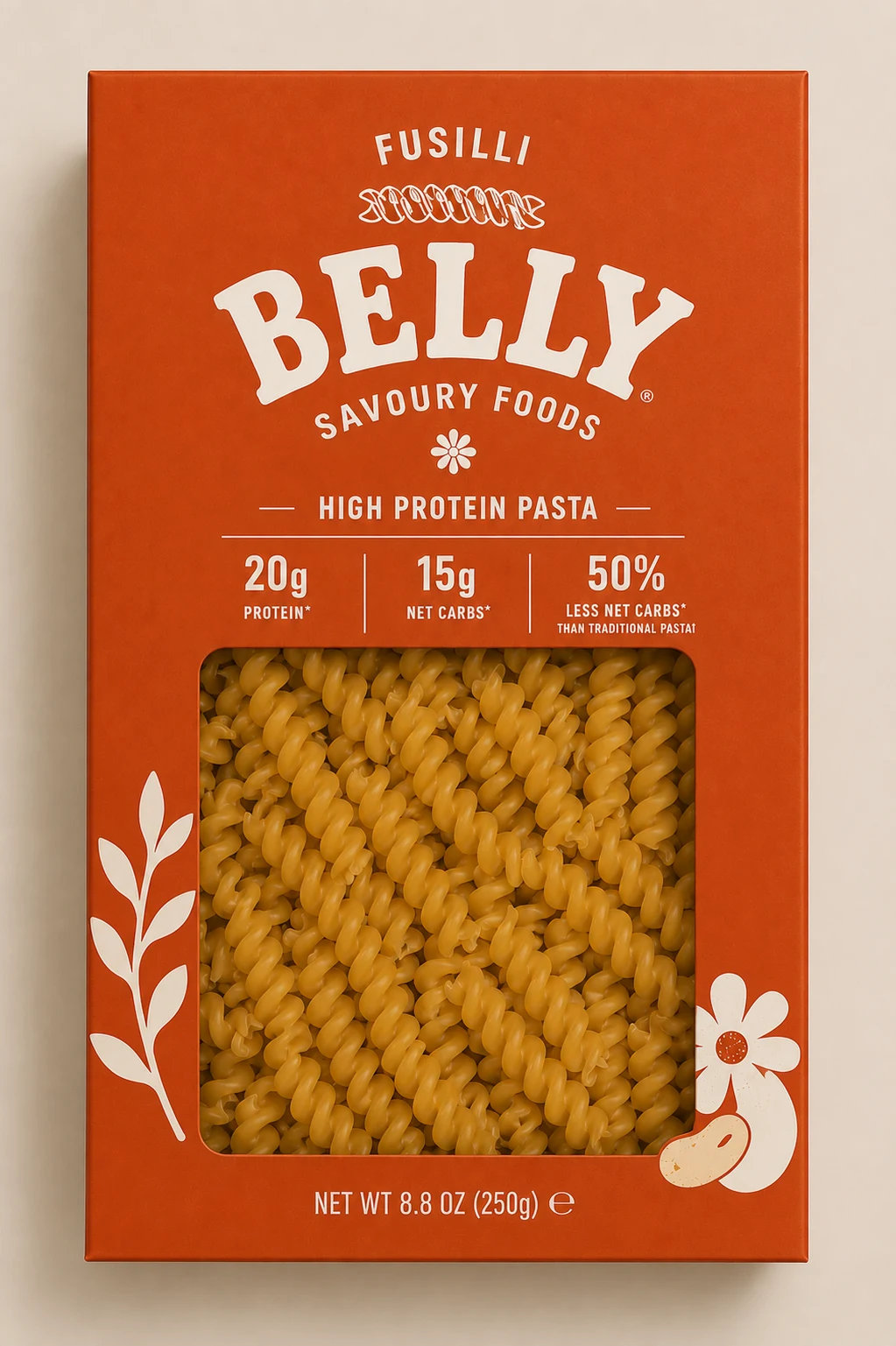
Fusilli is a useful alternative shape if that is what is in your cupboard; use its own pack instructions. Frozen broccoli is another option, but follow its packet preparation and drain it well before it joins the garlic pan. Do not assume it behaves exactly like freshly cut florets. Keep toppings deliberate: a cheese finish changes the ingredients and allergens, while more chilli changes the heat rather than the basic method. Start with the complete recipe once, then make a note of the amount of lemon and the vegetable texture you prefer. That is more useful than changing several things at the same time.
07
Keep the protein claim specific
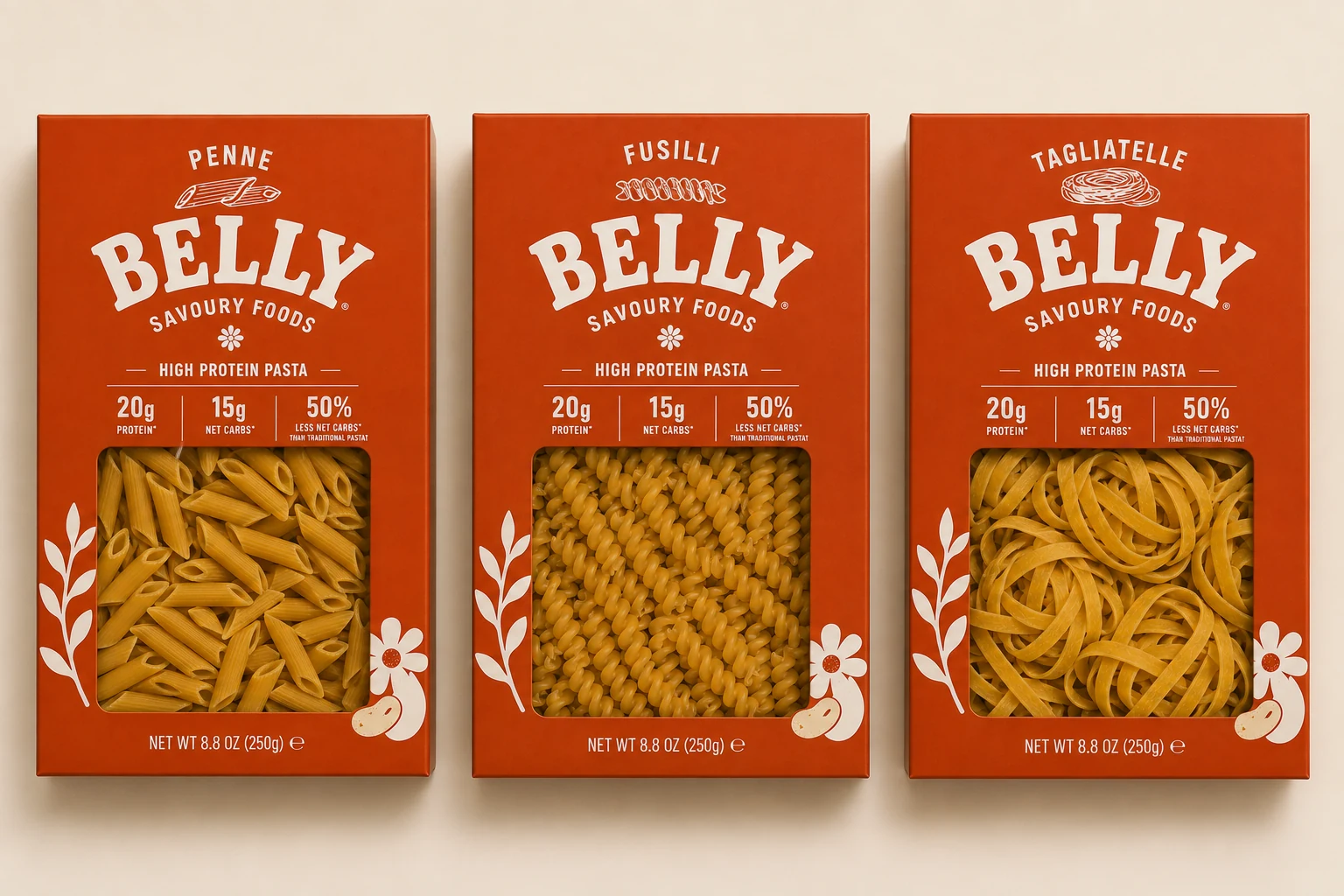
The linked recipe uses 150g dry Penne for two people. The supplier lists 20g protein per100g dry pasta, so each75g dry pasta portion contributes15g protein. That number covers the pasta alone, not the finished bowl. Sauce, vegetables and toppings need their own calculation before making a whole-meal claim. The pasta contains wheat, gluten and lupin, and the ingredient list includes oat fibre. This is not a gluten-free alternative. Read the current pack and other ingredient labels, especially if changing toppings or cooking for someone with an allergy.
08
Give leftovers a plan
If there is pasta left after dinner, cool and refrigerate it within two hours rather than leaving the pan out all evening. Use it within48 hours and reheat only once until steaming hot throughout, following any shorter use-by instructions. Add a small splash of water during reheating if the coating has tightened. Store the portion you intend to keep separately from what you are eating so it is easy to put away promptly. The Food Standards Agency guidance linked below covers the storage and reheating basis. Our recipe is an original editorial development, not a claim of kitchen testing.
Sources & checks
Sources checked 2026-10-18. Practical cooking suggestions are BELLY editorial guidance. Nutrition and food-storage facts are attributed to the sources below.