By BELLY Editorial · Published
01
Start with the sauce, then choose the shape
A jar of pesto is a promising start to dinner. Before you reach for a box, give it a stir and look at its texture. Is it a smooth, spoonable sauce, or a thicker mix with visible herbs and chopped nuts? Are you adding peas, beans or pieces of roasted vegetables? Those small decisions help you choose how you want the bowl to eat. Pick a shape that suits tonight’s sauce and the way you want to serve it. Twirl at the table, scoop from a big bowl or mix in your favourite vegetables: dinner gets to be yours.
02
Fusilli: a useful starting point for pesto
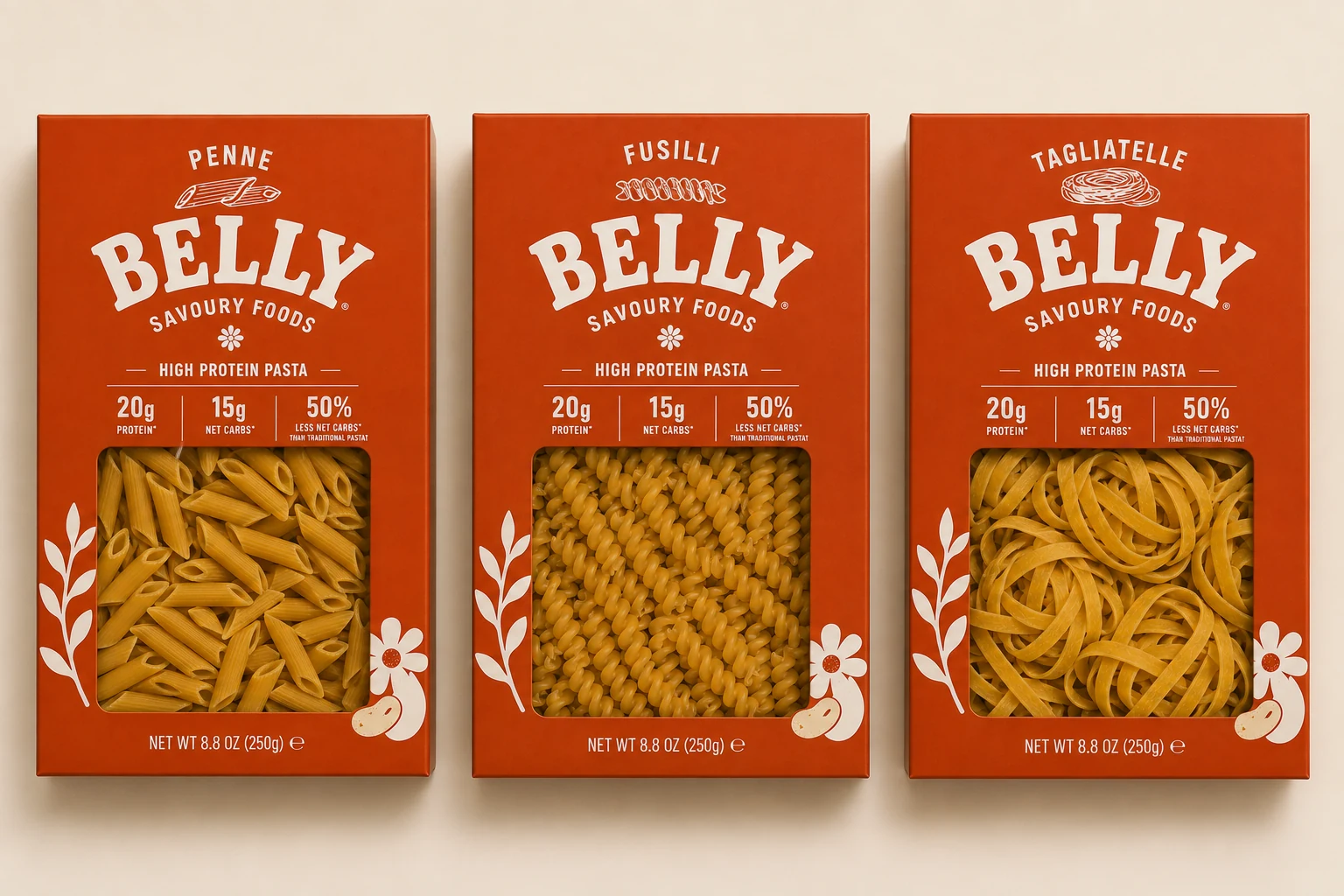
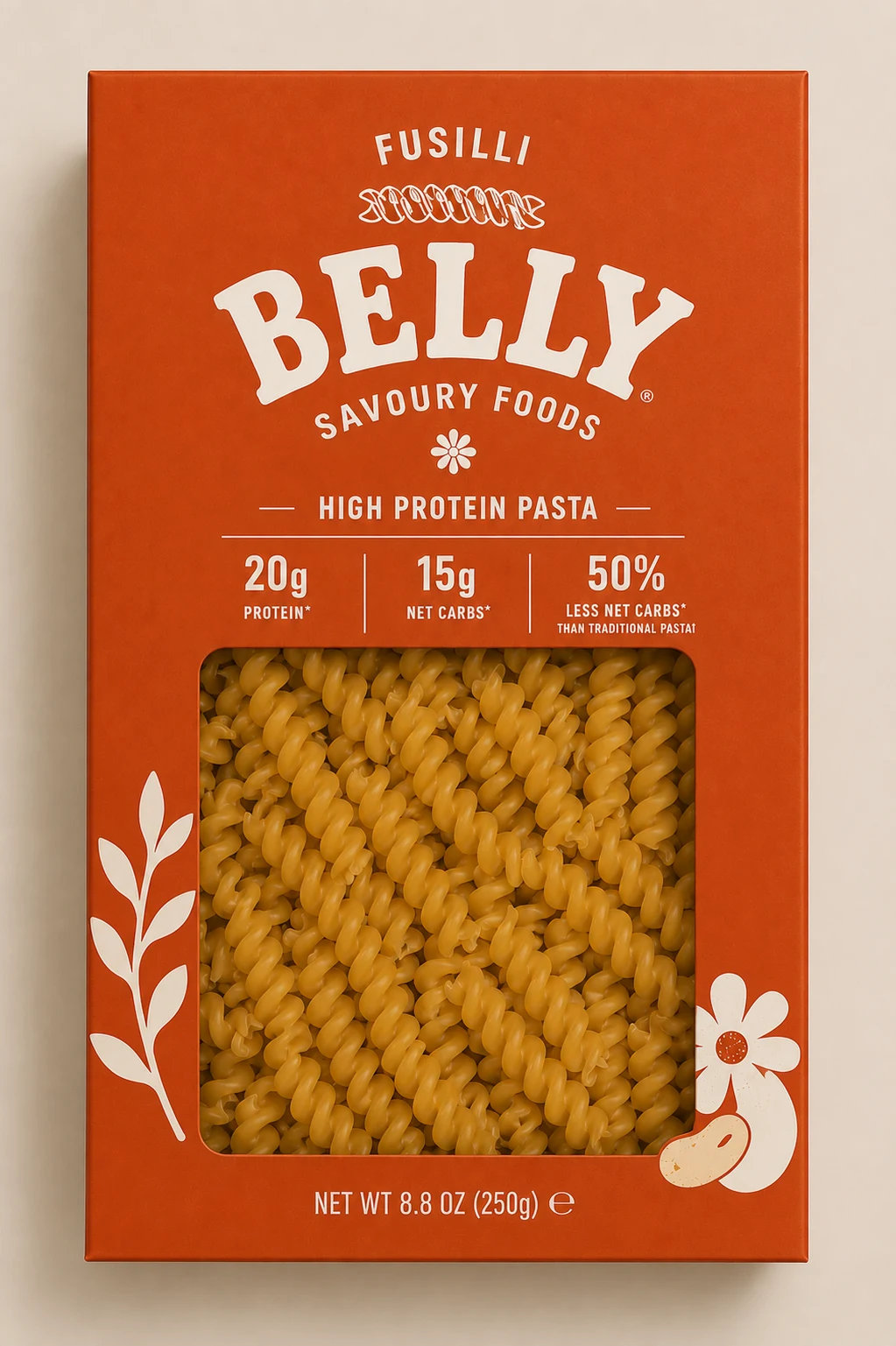
For a pesto bowl with little bits running through it, start with Fusilli. Its spiral shape gives the sauce several surfaces to coat and keeps each forkful compact. The twists are also a convenient choice when you are mixing in smaller ingredients, rather than arranging a topping over the plate. Barilla’s general shape guide also describes the spiral structure as sauce-catching. Choose Fusilli when you want to stir, spoon and share. Fancy a different sauce another night? Our spicy vodka pasta recipe gives you another Fusilli dinner to plan for.
03
Penne: for a bowl with bigger pieces
Penne offers a different kind of mouthful: a short tube alongside the other ingredients in your bowl. It is an easy option when your pesto dinner includes larger pieces of vegetables and you want everything to stay bite-sized. Turn the pasta through the sauce before adding delicate toppings, then check a forkful rather than judging only the surface of the pan. If the pasta is coated but the vegetables are bare, toss again gently. Let the bigger pieces share the spotlight. A forkful with pasta, sauce and vegetables together tells you more than a tidy-looking pan.
04
Tagliatelle: for a more even coating
Choose Tagliatelle when you want ribbons to carry a more even coating of sauce and you are happy to twirl rather than scoop. Keep extra ingredients manageable: finely chopped additions mix through more easily than a bowl full of large chunks. Give yourself a roomy bowl or pan for combining the ribbons, and turn them gently so the sauce reaches more than the top layer. If your pesto is very thick, loosen it before folding it through. The useful question is whether you want a ribbon-led plate or a mixed, spoonable bowl; both can have a place at the table.
05
Loosen first. Add gradually. Taste as you go.
Follow the cooking instructions on your own pack. Before draining, keep a mugful of cooking water. Put the pesto in a roomy mixing bowl and add a small splash of the water, then stir. Add the drained pasta and combine it. If the coating is uneven or the mixture feels stiff, add another small splash rather than pouring in the whole mug at once. Stop when the sauce coats the shape in a way you like. Add any delicate leaves or finishing ingredients afterwards. Start with a little sauce and build from there: jars differ, homemade versions differ, and the amount of pasta changes the balance.
06
Keep the nutrition maths separate from the sauce
BELLY Fusilli’s published supplier specification gives 20g protein per 100g dry pasta. A 75g dry amount therefore contributes 15g protein from the pasta alone: 20 × 0.75. Choose your own dry amount; this example counts only the pasta, before sauce or toppings. Pesto, toppings and other ingredients need their own label figures. Weigh before cooking if you are using the dry-weight panel; water changes the cooked weight. Use the portion calculator for another dry amount, and keep the pasta calculation separate from the rest of dinner.
07
Make room for everyone at the table
BELLY pasta contains wheat, gluten and lupin. It is not gluten-free. Check the pasta pack and the pesto label before cooking for someone with an allergy; different pestos can have different ingredients, including milk or nuts. Do not assume a plant-based-looking sauce suits every guest. Ask what they can eat and check each ingredient. All BELLY shapes are currently sold out. If Fusilli is your pesto-night pick, register your interest on its comeback list. No order or payment is taken, and a restock signup does not automatically subscribe you to the newsletter.
Sources & checks
Sources checked 2026-10-13. Practical cooking suggestions are BELLY editorial guidance. Nutrition and food-storage facts are attributed to the sources below.